
Things to avoid on a Self-Driving Holiday
A self-driving trip is a road trip where you are the driver, offering the freedom to create your own itinerary and explore at your own pace. You can choose to plan everything yourself or book a package tour that includes accommodation and a pre-planned route.
These are some of the things to avoid during your self-drive holiday to Uganda and other East African countries.
Too much driving
Usually, people plan to drive way too far in one day. Other times they plan a hectic trip which has them driving too far and away too often. We don’t mean that it is not physically possible, more that it is no longer enjoyable and becomes a chore and very tiring, something you are really trying to avoid when on a self-drive holiday or vacation.
If planning is a concern, consider booking a self-drive holiday through a tour operator or car rental company. These itineraries are designed to limit daily driving time and include pre-booked accommodations, campsites and sightseeing suggestions.
Choosing an unsuitable car, just because it’s cheaper
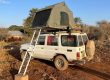
Choosing an unsuitable car for self-drive in Uganda often involves selecting a sedan or economy car when rough or unpaved roads are expected, as these lack the necessary ground clearance and 4WD capability. Another common mistake is selecting a vehicle that is not in good mechanical condition or failing to take into account the specific requirements of your destination, such as needing a more robust 4WD for remote or northeastern areas.
The rough Ugandan roads, which are often unpaved with poor markings and potholes, put excessive stress on a car’s engine, suspension, and tires. A sedan or other low-clearance vehicle is not designed to withstand this punishment and is prone to damage. If your itinerary includes any unpaved roads, park routes, or more remote areas, a 4×4 is essential.
Being more adventurous than you should be
Being overly adventurous while self-driving in Uganda can lead to risks like poor road conditions, car trouble, and danger from others, especially when traveling at night. To be adventurous safely, focus on choosing routes with good infrastructure, driving with caution, and taking precautions against theft, such as avoiding night travel and not stopping for suspicious obstacles.
Tourists accustomed to regulated systems may be unprepared for the aggressive driving style of large trucks and buses, who often command the road. The distances in Uganda are vast. Trying to squeeze in too much driving each day will cause exhaustion and can push your journey into the risky nighttime hours.
Navigation apps like Google Maps can be unreliable in rural areas and may suggest “shortcuts” that are actually little more than washed-out goat paths. Getting lost can waste valuable time and land you in a dangerous, remote area after dark.
Not having a clear sense of where you are going
Not having a clear sense of where you are going during a car rental in Uganda can expose you to a variety of significant dangers and negative consequences. Lack of proper navigation and planning can lead to vehicle damage, being stranded in remote areas, and increased safety risks from crime or getting lost in dangerous neighborhoods.
While you don’t have a final destination, you must research your prospective countries. Look into road conditions, local traffic laws, and cultural etiquette. For example, in some countries like Uganda, drivers use flashers to say “thank you”.
Many roads, particularly in rural or remote areas, are unpaved, full of potholes, or poorly maintained. Driving on unfamiliar, rough terrain without a planned route increases the risk of damaging the car or having an accident.
Ensure your daily itinerary allows you to reach your destination well before nightfall.
Driving after dark
Driving at night in Uganda is highly discouraged due to increased risks of accidents, poor visibility, potential robbery, and unpredictable encounters with wildlife and other road users.
Most rental companies prohibit it, recommending that drivers aim to complete all travel before 7:00 PM. For those who must drive at night, hiring a local driver or joining a guided night safari is a safer alternative.
Uganda is home to abundant wildlife, and many animals are nocturnal. Driving at night increases the risk of encountering large or unpredictable animals on the road, especially in and around national parks.
Roadside assistance is limited at night, and stranded travelers are at a higher risk of robbery. For this reason, many locals and experienced travelers will not stop for someone pulled over on the side of the road.
Leaving the doors open
Leaving doors open while self-driving in Uganda is dangerous and should be avoided. It is crucial to keep doors locked and windows closed, especially in heavy traffic or city centers, to prevent theft and other risks. Leaving doors open while parked can also make your car vulnerable to opportunistic theft.
A true self-driving car would require advanced technology to detect its environment and make judgments. This technology would prevent the vehicle from driving with an open door. However, this is not the case for the modified safari vehicles, these vehicles are no longer in their manufacture form which means they cannot detect the environment and make judgements.